

The Future of AI: What 2026 and Beyond Hold for Artificial Intelligence

Remember when smartphones felt revolutionary? That moment when you realized you had the entire internet in your pocket? We're experiencing that same shift with AI right now, except this time, the transformation is happening at warp speed. And honestly, it's both thrilling and a little overwhelming.
The AI Revolution is Already Here
Let me tell you something that might surprise you. According to recent surveys, nearly nine out of ten organizations are regularly using AI, yet most haven't fully embedded these technologies into their core operations yet. Think of it like having a sports car sitting in your garage but only using it to drive to the corner store.
The real magic happens when companies stop treating AI as a side project and start weaving it into everything they do. The organizations that get this right aren't just making things a bit more efficient—they're completely reimagining how work gets done.
AI Agents: The Game-Changer You Need to Know About
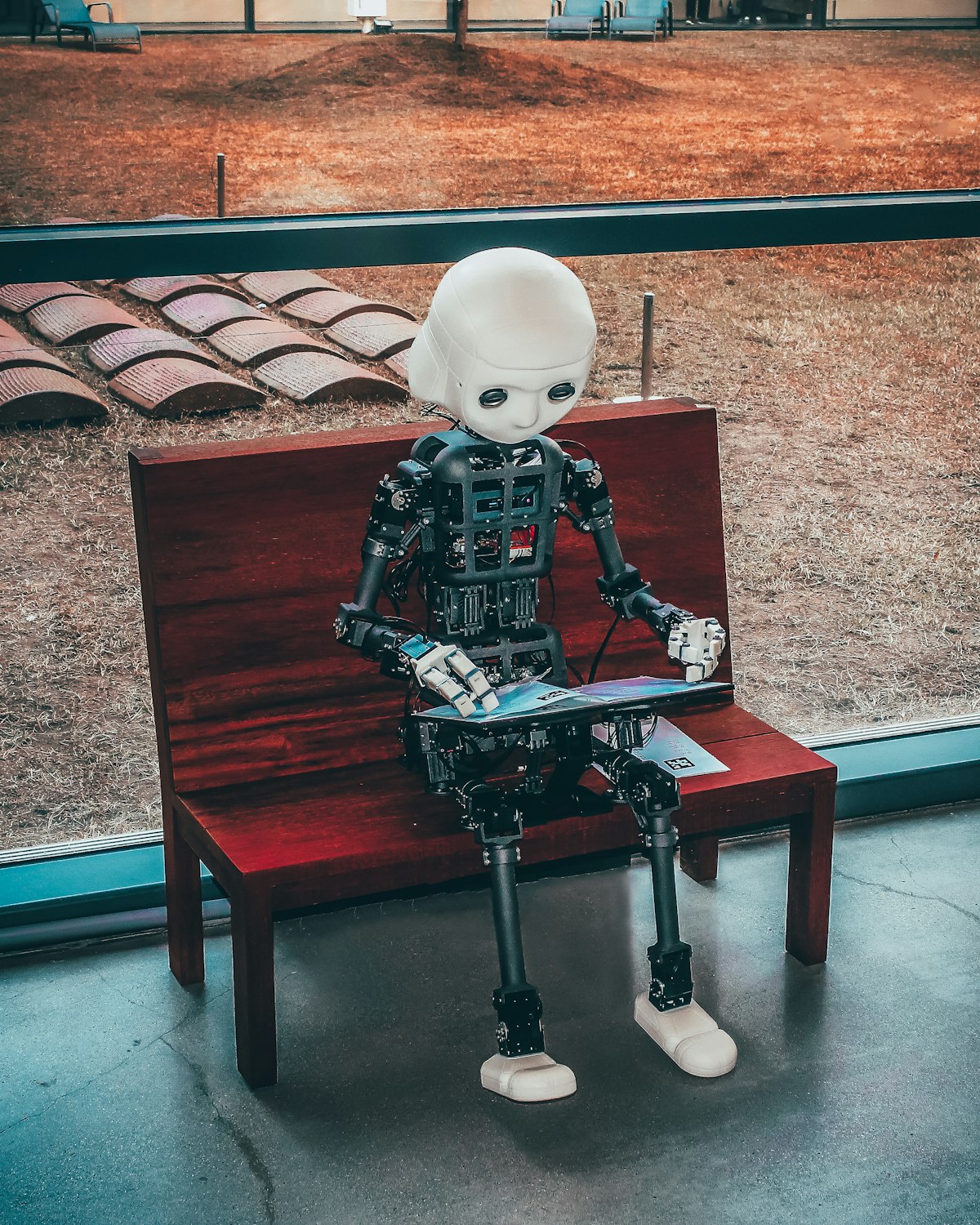
Here's where things get really interesting. Imagine having a team member who never sleeps, never gets tired, and can handle multiple complex tasks simultaneously. That's essentially what AI agents are becoming in 2026.
These aren't your simple chatbots from a few years ago. Today's AI agents can think through problems, make decisions, and even collaborate with other AI systems to get things done. Sixty-two percent of organizations are at least experimenting with AI agents, and the early results are fascinating.
What Makes AI Agents Special?
Picture this: A logistics company where AI agents automatically reroute deliveries around weather delays, negotiate with suppliers, and optimize routes in real-time—all without human intervention. Or a hospital where AI assistants work alongside doctors, monitoring patient data continuously and alerting staff the moment something changes.
This isn't science fiction. It's happening right now, and it's just the beginning.
AI Gets Smarter: The Reasoning Revolution
One of the most exciting developments in AI is something called "reasoning capability." Basically, AI systems are learning to think more like humans do—breaking down complex problems step by step rather than just pattern-matching.
Models with advanced reasoning capabilities can solve complex problems with logical steps similar to how humans think, and this is opening up entirely new possibilities in fields like medicine, law, science, and engineering.

AI in Science: Solving Humanity's Biggest Challenges
If you're worried that AI is all about replacing jobs, here's something that might change your perspective. Some of the most exciting AI applications are helping scientists tackle problems that seemed impossible just a few years ago.
We're talking about designing sustainable materials that could help fight climate change, accelerating drug development that could save countless lives, and making breakthrough discoveries in fields from cancer research to clean energy.
AI tools are starting to have a measurable impact on research throughput, essentially giving researchers superpowers to explore ideas and test hypotheses faster than ever before.
The Reality Check: Challenges We Can't Ignore
Now, let's be honest. For all the excitement around AI, the road ahead isn't without its bumps. Many companies are finding it tough to move from small experiments to full-scale implementation. There are real concerns about data privacy, job displacement, and ensuring AI systems remain trustworthy and safe.
The infrastructure challenges alone are significant. Many organizations are running on legacy systems that weren't built for this AI-powered future. Upgrading everything takes time, money, and expertise that not everyone has readily available.
And here's something we should all think about: As AI takes on more routine tasks, especially entry-level work, how do we ensure the next generation develops the skills and creativity they'll need? It's a question without easy answers, but one we need to grapple with collectively.

Physical AI: When Robots Leave the Lab
While we've been focused on chatbots and software, something equally revolutionary has been happening in the physical world. AI-powered robots are getting smarter, more capable, and more practical for real-world applications.
Physical AI will no longer be considered experimental—it will become essential in industries where safety, scale, and human-AI collaboration matter most. We're talking manufacturing floors, warehouses, hospitals, and even our homes.
These aren't the clunky, single-purpose robots of the past. Today's AI-powered robots can learn new tasks, adapt to changing environments, and work safely alongside humans. They're becoming genuine collaborators rather than just automated tools.
What This Means for You
Whether you're a business leader, a professional, or just someone trying to keep up with technology, the AI transformation will touch your life. The key is to stay informed and adaptable.
For businesses, the message is clear: Start thinking about AI not as a technology project, but as a fundamental business transformation. The companies winning with AI aren't the ones with the fanciest tools—they're the ones that identified real problems and used AI to solve them.
For individuals, this is actually an exciting time. Yes, AI will change job markets, but it's also creating entirely new opportunities and career paths that didn't exist a few years ago. The people who'll thrive are those who learn to work alongside AI, using it to amplify their unique human capabilities—creativity, empathy, strategic thinking, and emotional intelligence.
